
32 min read
De eiwitleugen: is diabetes not a sugar disease but a fat-protein disease? (science review; Part 2)
More than a million people in the Netherlands have type 2 diabetes, a chronic disease in which the body can no longer properly take up glucose (sugar/carbohydrates) from the blood into the cells, resulting in high blood glucose levels. If you go on the internet, you are flooded with convictions about what the best diet is to prevent or even reverse type 2 diabetes. Some people swear by a low-carbohydrate diet (which seems logical at first glance), but Janneke van der Meulen has a different view. She claims that diabetes is not a sugar disease, but a fat-protein disease. In her book De Eiwitleugen (The Protein Lie) she makes her case for a carbohydrate-rich fructivore diet: according to her, we are anatomically best suited to spotting, picking, eating and digesting fruit.
According to Janneke, too much protein is the underlying problem of a range of diseases of affluence. Scientific research is one of the main pillars of her book, and she says she focuses on studies with the highest scientific strength of evidence. How strong is the scientific evidence for her claim that 'diabetes is a fat-protein disease'?
Saturated fat and a plant-based diet
In this second part on the chapter, I go deeper into the claims about specific types of fat. For example, the negative effect would come mainly from (animal) saturated fat. The chapter then ends with experimental studies that would look at a plant-based diet and its effect on type 2 diabetes (related outcomes). To be clear: when I say diabetes, I always mean type 2.
Click here if you have not read part 1 yet.
Click here to go to the summary and final conclusion of parts 1 and 2.
A lot of the literature that is cited as an attack on saturated fat focuses on lipotoxicity. This is a process in which fats make cells work less well. The book itself describes it as:
“Animal fats often cause the build-up of toxic waste products (such as ceramide and diacylglycerol) and free radicals. When this leads to inflammation, it can cause dysfunction of the small power plants (mitochondria) inside your cells.” (translated from Dutch)
She bases this theory on three studies. One of them is an editorial (which you can see as a kind of opinion of experts), one is an in vitro study (a study with cells) and one is a narrative review (a literature study). Because the narrative review is the only one of the three that actually cites research with humans, I will mainly look at that one. I will cover the other two studies as briefly as possible (always hard for me).
Claim: Palmitate, the type of saturated fat found in animal products, is much more harmful than the fat in nuts and avocados.
As I said, this is an editorial with as its main question: why do saturated fats cause lipotoxicity, while monounsaturated fats protect against it? The editorial consists of two scientists who give their opinion and support it with literature.
C. Nolan is a professor specialised in diabetes and C. Larter is a scientist specialised in the liver. However, you get no clarity on whether this is a good representation of the current body of evidence on this subject. You do not know whether they left out certain studies or whether the cited studies are of good quality at all. But what do these experts say?
"Saturated fatty acids (SFA) (e.g. palmitate [16:0]) are almost universally toxic to cells in culture, whereas the monounsaturated fatty acids (MUFA) (e.g. oleate [18:1]) are either non-toxic or cytoprotective. The opposing effects of SFA and MUFA have been observed in multiple cell types including isletb-cells,(1) endothelialcells,(2) cardiomyocytes,(3) breast cancer cell lines,(4,5) and in hepato-cyte cell lines as shown by Ricchiet al. in this issue of the Journal.(6)"
They state that in vitro studies consistently show that saturated fat is toxic to cells. The most important saturated fat here is palmitate, which often makes up 50% of the saturated fats in animal products. When I look at the cited studies (sources 1 to 6), it does indeed seem that giving saturated fat to cells, for example from the pancreas or liver, leads to cell death or dysfunction. However, how this translates to people who eat food with saturated fat remains uncertain on the basis of these data.
Example (source 1): El-Assaad et al. Saturated Fatty Acids Synergize with Elevated Glucose to Cause Pancreatic β-Cell Death.
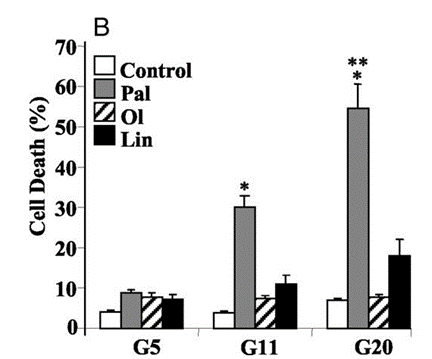
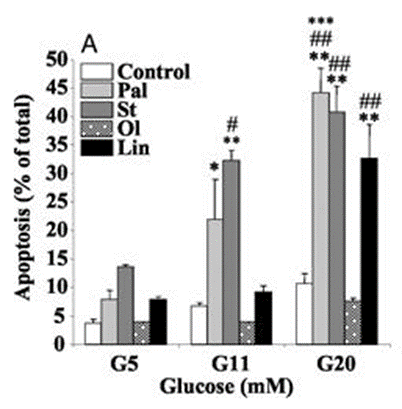
In this study, pancreatic cells were exposed to different fats in combination with different concentrations of glucose, after which the effect on cell death was examined. The fats used were:
Palmitate (PAL): animal saturated fatty acid
Stearic acid (ST): animal saturated fatty acid
Oleic acid (OL): plant-based omega-9 (monounsaturated fatty acid)
Linoleic acid (Lin): plant-based omega-6 (polyunsaturated fatty acid)
The results show that it is not the type of fat, but the combination with glucose that determines cell death. At higher glucose concentrations (for example G5 = 5 mM, and higher) cell death increases.
Palmitate reacts particularly strongly here, with a clear increase in cell death at higher glucose concentrations. Linoleic acid (omega-6) shows a small, non-significant increase, while oleic acid (omega-9) has no effect at all. This finding suggests that the interplay between glucose and fats is crucial, with palmitate in combination with high glucose levels appearing to be the most harmful combination.
When we look at one specific way of cell death (apoptosis), we see an even stronger effect. With both saturated fatty acids (palmitate and stearic acid) and with omega-6 (but only at the highest amount of glucose) there is a significant increase in cell death. Omega-9 fatty acids give practically no f*ck in any situation.
The authors of the study conclude that the combination of carbohydrates with saturated fats and omega-6 fatty acids can play an important role in the development of diabetes. This is attributed to the harmful effects this combination has on the pancreatic cells, whose dysfunction is an important cause of diabetes. They stress that the interaction between nutrients, such as fats and carbohydrates, is crucial for understanding the development of this chronic disease.
“Thus, for saturated fatty acids in particular, the results are consistent with the glucolipotoxicity hypothesis. This observation provides strong support for the concept that this process might be implicated in the progressive loss of β-cell mass by apoptosis, which is involved in the pathogenesis of type 2 diabetes.”
If you look at this study, the claim of the book is therefore partly correct. Saturated fat does seem to cause more lipotoxicity, but only in combination with a certain amount of glucose. Moreover, this partly also applies to omega-6 fatty acids, which underlines the term glucolipotoxicity. From that perspective, even a carnivore could use this study to say: "See, carbohydrates are the problem!" How these results can be translated to living people who follow a complete diet remains unclear, however.
Back to the editorial: according to the authors, omega-9 is not only non-toxic, but can also inhibit the toxic effect of saturated fat. A large part of the editorial is devoted to different mechanisms that explain how omega-9 would do this. Among other things, it would improve the oxidation of fats (and thereby support detoxification), contribute to safe fat storage in the body and stimulate fat metabolism. This would mean that saturated fats cause less lipotoxicity.
I will not go into this any further, as these mechanisms are complicated and not directly relevant to Janneke's argument.
Claim: Animal fats often cause the build-up of toxic waste products (such as ceramide and diacylglycerol) and free radicals. When this leads to inflammation, it can cause a dysfunction of the small power plants (mitochondria) inside your cells.
For this claim the book also cites an in vitro study. In this study, scientists gave palmitate (PA; saturated fat) or oleic acid (OA; omega-9 unsaturated) fat to liver cells. In this study too, omega-9 turns out not to increase cell death, and palmitate does.
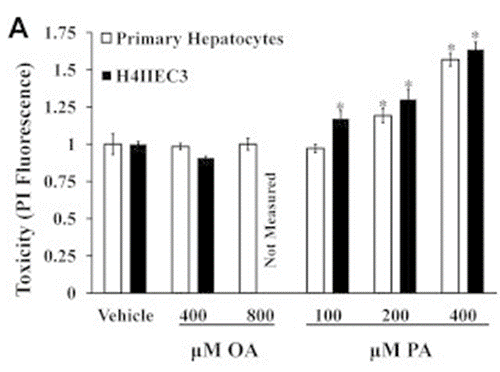
The scientists' theory is that palmitate causes a redistribution of calcium in cells towards the energy factories (mitochondria). This redistribution leads to oxidative stress, which damages the mitochondria and eventually results in cell death.
The cited source does not discuss the subject of waste products, such as ceramide or diacylglycerol. It is possible that this was missed, given the complexity of the subject. Still, the important caveat remains: we do not know how these findings translate to the real world and to people who follow a normal diet.
Let us now look at the narrative review that discusses saturated fat and lipotoxicity. This time, research that was carried out with humans is cited.
Claim: Animal fats often cause the build-up of toxic waste products (such as ceramide and diacylglycerol) and free radicals. When this leads to inflammation, it can cause a dysfunction of the small power plants (mitochondria) inside your cells. (see previous: Egnatchik et al.) This phenomenon is known as lipotoxicity (estadella et al.)
Source: D. Estadella et al. Lipotoxicity: effects of dietary saturated and transfatty acids.
The source is a narrative review with more than 100 references. It is not feasible to highlight and check them all, so I focus on the main studies that are relevant to Janneke's claim.
The aim of the review is to give insight into the effect of saturated and trans fats on lipotoxicity, with attention to the liver, the cardiovascular system, the microbiome, insulin resistance and cell stress. This immediately illustrates one of my biggest frustrations with narrative reviews: they often try to cover too many subjects in one article. This can (although not always) come at the expense of the depth and quality of the work devoted to each individual subject.
“SFA intake exceeding 10% of total energy promotes insulin resistance, which plays a key role in the development of NAFLD [62].”
And I want to give an important example of that right away. For the effect of saturated fat on insulin resistance (and non-alcoholic fatty liver), the authors of the review give a hard threshold: an intake of more than 10% of your daily energy intake causes insulin resistance.
Side-note: I come across it more often in the literature that insulin resistance is an important cause of non-alcoholic fatty liver disease (NALFD).
That always makes me curious. What do they base such a specific number (10%) on? Well, I will tell you: on nothing at all.
I went through source 62, Nonalcoholic fatty liver disease: predisposing factors and the role of nutrition (a narrative review), from start to finish. But nowhere, really nowhere, does it say anything about limiting the intake of saturated fat to below 10% of total energy. The only thing it mentions is:
“Furthermore, because polyunsaturated fatty acids appear to be protective in NAFLD, and long-chain saturated fatty acids mediate lipotoxicity, it is reasonable to limit consumption of saturated fats while increasing consumption of omega 3 fatty acids found in fish and flaxseed oil supplements as well as canola and safflower cooking oils [86].”
Unsaturated fats (and especially omega-3 fatty acids) are good and saturated fat is bad. Saturated fat would be bad because of lipotoxicity, which is what the review by Estadella et al. (the narrative review that is cited in the book) is about. However, they provide no other or new evidence at all for the 10% threshold or for saturated fat helping against insulin resistance. On top of that, they base this claim on source 86: a study in which people received omega-3 supplementation for 12 months and saw an improvement in liver values. So this has nothing to do with saturated fat. Bizarre.
Back to Estadella et al. Another problem I have with this narrative review is that it is supposed to be about lipotoxicity. But in reality the review is about all the negative effects of saturated and trans fat on our health. All of this is then put under the heading of lipotoxicity.
According to the book, lipotoxicity is about toxic waste products and inflammation. Inflammation is also mentioned in the narrative review, but more as a cause of various health problems. Saturated and trans fats are then linked to those diseases, after which it is concluded that saturated and trans fats cause inflammation, and thus lipotoxicity. They never clearly show, however, what lipotoxicity exactly is or that there is a causal relationship that goes as follows:
- Increased intake of saturated and trans fat causes inflammation, which in turn is the cause of diseases.
The argument they use now goes as follows:
- Inflammation is associated with diseases.
- Increased intake of saturated and trans fat is associated with diseases.
- So increased intake of saturated and trans fat causes inflammation.
And that is speculation. Not science. But okay, let us look at which experimental research with humans is cited as evidence for the lipotoxicity of saturated fat:
“Several studies performed by our group have demonstrated that long-term interdisciplinary therapy reduces fat intake, in particular SFA, in obese adolescents. The intervention resulted in decreased visceral fat and tumor necrosis factor-alpha (TNF-α) and interleukin-6 (IL-6) levels and increased levels of interleukin-10 (IL-10) and adiponectin, accompanied by a reduction in homeostatic model assessment-insulin resistance (HOMA-IR) and the occurrence of associated diseases [25–28].”
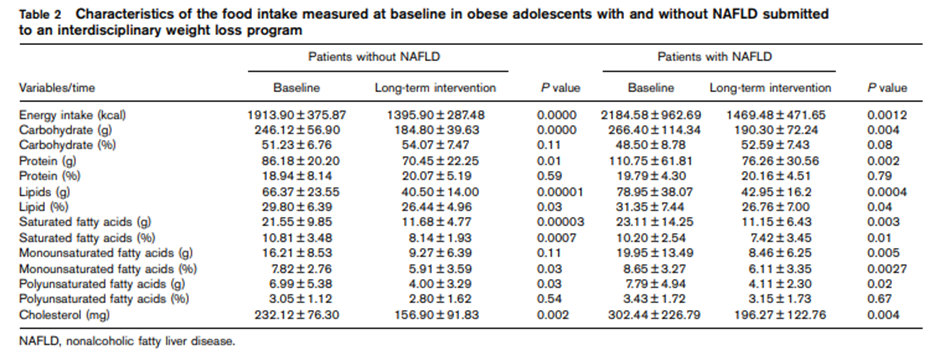
The same research group that wrote this review also carried out an experimental study (sources 25 and 26 are based on the same dataset) that examined the effect of a 1-year lifestyle intervention on insulin resistance and liver health. In this study, 50 children with obesity, with an average age of 16 years, were put on a low-energy diet (on average 1400 kcal). This meant a lower intake of carbohydrates, proteins and fats. In proportion, the fat intake was reduced the most.
The diet was based on the food pyramid of Brazil, which is fairly similar to our Schijf van Vijf (Dutch food guide, the "Wheel of Five").
The participants received weekly consultations with a dietitian, an exercise programme focused on cardio, and weekly group sessions in which subjects such as body image and eating disorders were discussed. Children who showed signs of psychological problems received individual help from a psychologist.
So a nice and extensive package.
The result: the children lost on average 15% of their body weight, with an average decrease of 24% in fat mass and an increase of 4% in fat-free mass. Almost all values relating to insulin resistance and liver health (and so also inflammation) showed a clear improvement. A wonderful result.
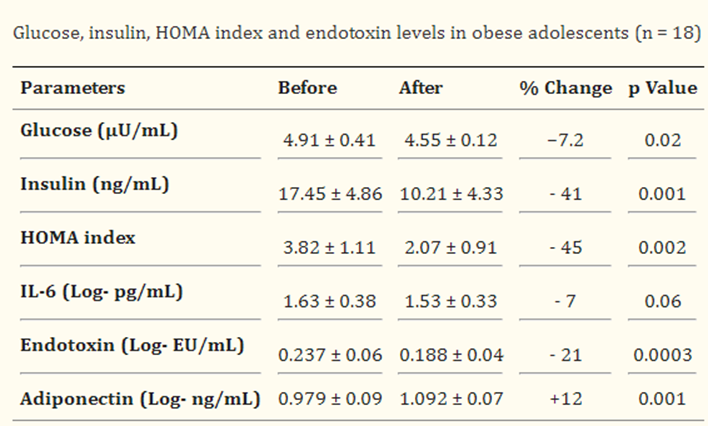
Still, I find it very hard to make claims about the effect of saturated fat on the outcomes on the basis of this study. The children changed so many aspects of their lifestyle, with weight loss being a very important factor. It is therefore difficult to attribute the nice results to one specific change in macronutrients.
The intervention has clearly worked, that is certain. Whether this is thanks to one of the individual factors or to the whole package is difficult to say, however.
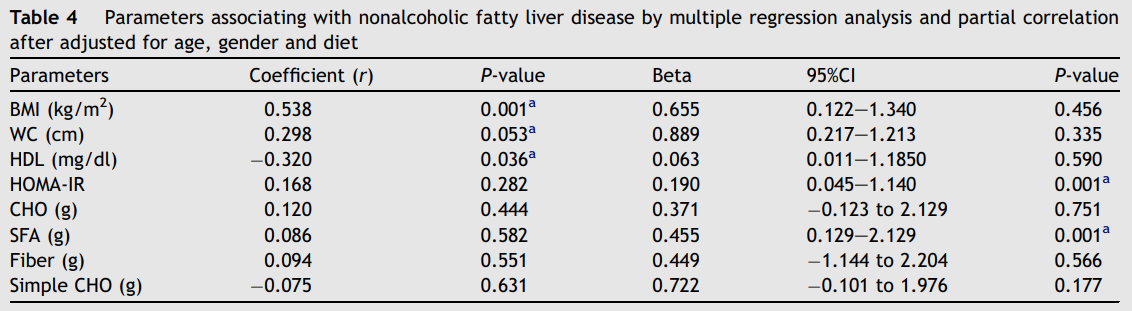
“Papandreou et al. [64] demonstrated that the SFA intake was directly proportional to the degree of hepatic steatosis. In their study, multiple regression analysis of factors associated with fatty liver showed that HOMA-IR and SFA were the most significant factors for this condition after adjustment for age, gender, and diet.”
Another study with humans (observational research: cross-sectional) looked at the diet of children who did or did not have fatty liver. They looked at differences between clinical characteristics (such as weight and blood values), the diet and the degree of fatty liver.
This showed that BMI, waist circumference and insulin resistance were higher in children with fatty liver, and HDL lower.
There turned out to be no difference in inflammation. And that is precisely the whole argument for lipotoxicity.
If you look at the nutrients, you see that the more severe the fatty liver, the more carbohydrates, sugar and saturated fat the children ate and the less fibre. Protein showed no clear difference between the groups.
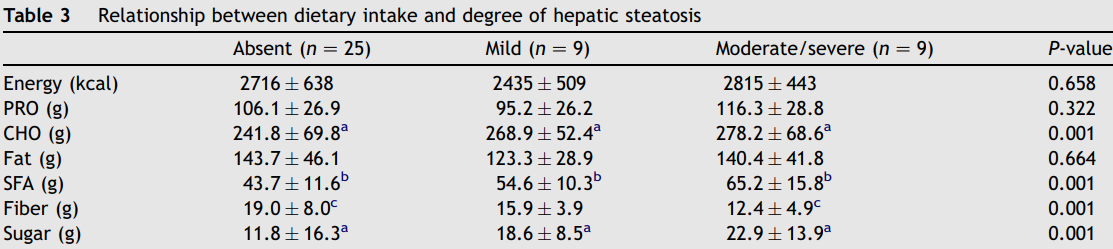
This study is observational in nature. We therefore cannot speak of a clear cause-and-effect relationship, because there was only one measurement moment. As far as I am concerned, it mainly shows that the children with (more) fatty liver ate less healthily.
Even though this does not show up in the vitamin intake (there were no differences there), there are clear indications that the children with fatty liver simply consumed more unhealthy food. Unfortunately, the researchers never looked at the full diet in terms of specific food products.
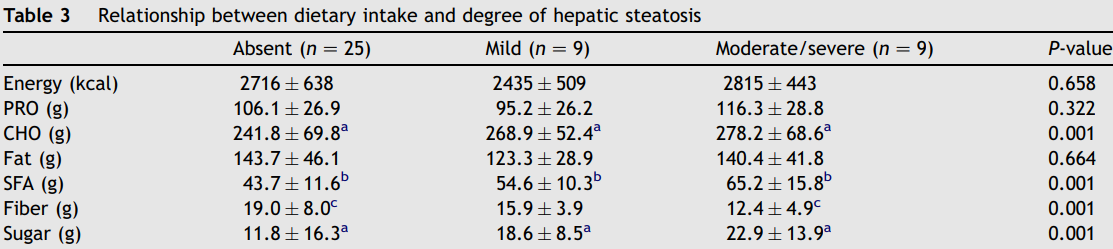
The researchers then included all factors that were associated with fatty liver in a statistical model (logistic regression). This showed that only saturated fat and insulin resistance had an association with fatty liver. The higher the intake of saturated fat and the greater the insulin resistance, the greater the chance of fatty liver.
Conclusion
All in all, the authors of the review conclude that experimental and clinical research shows that saturated fat (and trans fat) promotes lipotoxicity in various organs, mainly through inflammation.
“These experimental and clinical findings indicate that excess intake of both SFA and TFA can promote lipotoxicity in several target organs by direct effects, represented by inflammatory pathways, and indirect effects, including important alterations in the gut microbiota with implications for the endotoxemia process.”
Still, I read the evidence they cite differently. For example, they mainly refer to research with animals and children. In addition, they never make clear what lipotoxicity exactly involves, and this does not come out clearly from the studies with humans that they cite either.
I therefore wonder: how do you measure lipotoxicity? All the studies they discuss use different outcome measures, but there seems to be no standardised measuring instrument for lipotoxicity. The only study that looked specifically at inflammation actually saw no association between saturated fat, inflammation and fatty liver, while fatty liver would be the result of lipotoxicity through inflammation.
Moreover, the review contains misleading interpretations of sources, such as the 10% threshold that does not appear in the original source.
All in all, the review offers little strong evidence for the claim from the book.
Research with humans
Fortunately, this was not the only evidence the book cites for the lipotoxicity theory. Let us finally move on to the studies with (adult) humans.
Claim: This (lipotoxicity) can help explain why people on a win-win diet (mainly fruit and leafy greens) are much better protected against diabetes. Even at the same fat percentage as that of an animal eater, significantly less fat is stored in the muscles and you have better functioning beta cells and a healthier pancreas.
The first study the book cites is a case-control study. This study compared 24 vegans with 25 omnivores to investigate whether there are differences in insulin sensitivity and fat storage in muscle.
A case-control study is an observational study in which a group with the desired characteristics (in this case vegans) is matched with a control group on the basis of certain factors, such as sex, age and BMI. This means that both groups are comparable on those factors. Statistics are then used to test whether there are differences between the groups. After the participants were matched, all participants came to the research institute for a day of measurements. These measurements included anthropometry (body composition, blood pressure, physical activity), blood tests (insulin, glucose, fats etc.) and an MRI-scan (for fat in muscle tissue).
Funding: LMG, JDB and PWS: funded by MRC
AD: lecturer for Knoll, NovoNordisk, Novartis, Aventis and GlaxoSmithKline
GSF: receives research funding from Kellogg, Sugar Bureau, Roche and Nutricia
Two things stood out to me in the methods of this study.
- Recruitment of participants
The 24 vegans signed up via the newsletter of The Vegan Society. They had to have been vegan for at least 3 years and eat completely meat-free and animal-free. The omnivores were staff of the research institute or former participants in earlier studies at the same institute. Remarkably, 'omnivore' was not defined, which is strange.
- Measuring dietary intake
Dietary intake was measured with a 7-day food diary, in which participants had to take photos of their meals. I think this is a nice development in nutrition science, because it gives a more realistic picture of what people actually eat than relying on memory alone. Unfortunately, there were also drawbacks. Many vegan meal compositions were not yet known in the computer program that calculates nutritional values, so the estimates were sometimes inaccurate. This resulted in the fatty acid composition of the diet not matching the estimated total fat intake.
Let us take a look at the results:
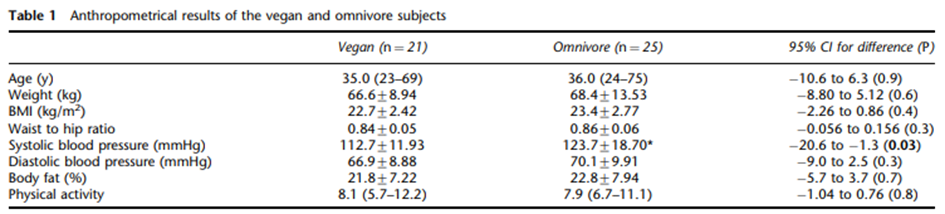
A case-control study only looks at differences between two groups. In this study there were practically no anthropometric differences between the groups. Only systolic blood pressure was lower in the vegans. BMI, fat percentage, and the waist-to-hip ratio were comparable.
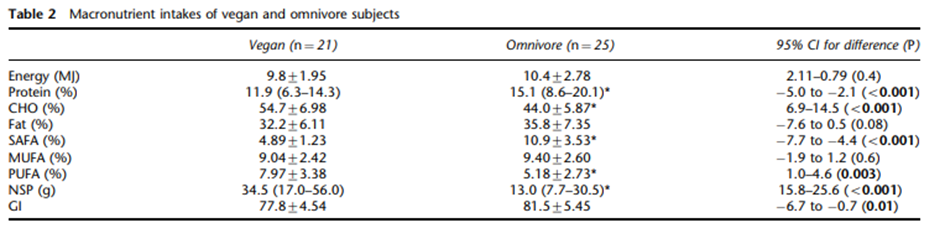
In addition, the vegans ate less protein and saturated fat, and more (complex) carbohydrates and polyunsaturated fatty acids (omega-6). The vegans' food also had a lower glycaemic index (fewer processed carbohydrates etc.).
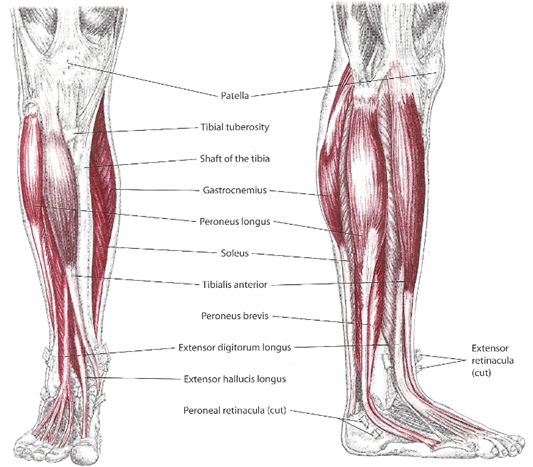
The vegans had less fat storage in the soleus muscle, but the fat storage in the tibialis and gastrocnemius was the same.

For those who are not so familiar with muscles (like me). These are the lower leg muscles.
Finally, there were few differences in blood values between the two groups. Vegans only had lower triglycerides (fats), a lower fasting glucose value and a better beta-cell function (pancreas / HOMA-B).
Even though the amount of fats in the blood and the intake of fats and protein through food were lower in vegans, insulin sensitivity was not significantly better. What also stood out to me was the enormous spread in blood values within the groups. Insulin sensitivity (HOMA-S) varied in 50% of the omnivores between 64.3 and 416.
I hoped to put these values in context, but I could not find cut-off values for these absolute numbers. I therefore do not know how clinically relevant these values are (does it matter?). What does hold is: the lower the better for HOMA-S (insulin sensitivity), and the higher the better for HOMA-B (beta-cell function).
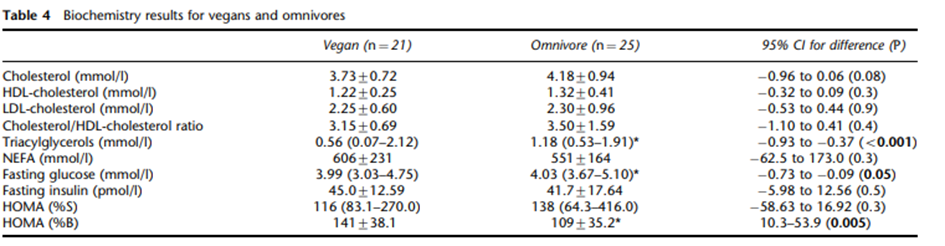
On the basis of these results, the authors conclude that vegans follow a diet (lower in saturated fat, higher in polyunsaturated fats and higher in complex carbohydrates) that is better for the heart and blood vessels and for beta-cell function (pancreas).
“Our results support the hypothesis that chronic changes in nutritional intake, specifically fat and carbohydrate, lead to changes in IMCL and beta-cell function. The higher intake of low GI carbohydrates, low intake of saturated fat and higher intake of polyunsaturated fat lead to an improved beta-cell function and a low level of IMCL, which would be expected to reduce the risk of the insulin resistance syndrome.”
The book uses this study to prove that, even with an equal body composition (and energy intake), vegans store less fat in muscles and have a healthier pancreas (better beta-cell function). According to the book, this would be explained by the lipotoxicity of saturated fat.
What do I make of this?
Well, this method and these results raise quite a few questions for me.
First, this study looked at nutrition in a very reductionist way. It looked at macronutrients instead of foods. The fact that omnivores ate fewer carbohydrates, but had a higher glycaemic index, suggests to me that they probably ate more highly processed food. I therefore wonder to what extent that, rather than the higher protein and saturated fat intake, played a role in the results. In addition, it was never defined what "omnivore" meant in this study, while much more is known about the vegans. Given that they have been living vegan for three years and follow the newsletter of The Vegan Society, they may be dedicated vegans who are consciously concerned with their health. For all we know, the omnivores went to McDonald's every week.
It also stands out that there are differences in fat storage in only one of the three lower leg muscles. Why not in all muscles? What does that say about the result? How important is that one muscle? And how much fat is it exactly? Does the omnivore group actually have a harmful amount of fat storage? In other words: how clinically relevant (does this matter in real life?) is this result?
I have those same questions for insulin sensitivity and beta-cell function. What does it mean that insulin sensitivity does not differ, but beta-cell function does? How high do the participants score? Do the omnivores actually have a poor beta-cell function? How clinically relevant is that?
I think this study clearly shows that there are differences in blood values between these groups of vegans and omnivores. But we have no idea what they really ate and whether those differences actually matter. Even though there was a considerable difference in fats (triglycerides) in the blood, insulin sensitivity stayed the same. The difference in blood glucose was also minimal, which goes against Janneke's earlier claims. The results do suggest an effect of saturated fat intake on pancreatic function, as the in vitro studies suggested earlier.
Finally, the book states that this study compares people with the same fat percentage. But if you look at the study, you see that the fat percentage was measured with a bioelectrical impedance analysis (BIA). In short: this is a device that is very easily influenced, especially by fluid balance. The spread within the groups is also strikingly large, from around 14% to 30% body fat. That ranges from a six-pack to overweight.
As far as I am concerned, the results of this study are not as strong as the book makes them out to be. Maybe the next study, which is mentioned as support for the same claim, confirms the results of this study.
The design is fairly similar to that of the previous study, with the same caveats. A group of vegans (who have been vegan for 8 years on average) is compared with a group of omnivores. The definition given for omnivores is: "no dietary restrictions, and eating meat plus animal products daily."
This time I will keep it short, because this study has many similarities with the previous one. What stood out to me is that the vegans took in just not significantly more carbohydrates, while the protein and fat intake seem to be fairly equal.

In this study they also took blood to look at (dietary) fats in the blood. There is a big difference in the average total amount of fats in the blood between the groups (170 vs. 119), but because of a gigantic spread this is not significant. In the vegans, the spread for 68% of the participants (1 standard deviation) lies between 95 and 250. I have no idea what causes this, since the spread in fat intake through diet is not that large.
The only fatty acid of which the vegans have significantly more in the blood is omega-6.

Even though the vegans seem to have more omega-6 fatty acid and as much omega-9 and saturated fat in the blood as the omnivores, they have a better fasting glucose and insulin value, as well as a better insulin sensitivity.
And then I get confused... The in vitro studies in the book actually cited evidence for the harmful effects of saturated fat and omega-6 fatty acids (with a lot of glucose) and the protective effect of omega-9. This is completely at odds with the results of this study.
This study only confirms that it is much more complex than the book suggests and that Janneke only selects the results that support her claim, while ignoring other results (cherry-picking).
Let us move on to stronger evidence: experimental research. What do those show?
Claim: So are fat and protein perhaps the problem? Isn't it much smarter to switch to natural sugars in fruit? YES! It looks like fruit, despite its large amount of sugars, actually offers benefits for everyone. Fortunately, that has also been tested. In the study, people with (severe) cardiovascular disease and/or diabetes were put on a diet without animal products and with little refined oil and fats. Within 12 weeks all blood values improved in all patients. The more they lost weight, the better.
Source: Chainani Wu et al. changes in emerging cardiac biomarkers after an intensive lifestyle intervention
The source is an experimental study without a control group: 131 people (59% women and 43% with diabetes) took part in a lifestyle intervention and were followed for three months. The aim of the study was to investigate the relationship between changes in lifestyle and new nutritional, biomedical and cellular parameters.
The lifestyle programme, called the "Dr. Dean Ornish Program for Reversing Heart Disease," was set up by Dean Ornish, a physician and scientist who has written several books and founded a foundation to promote lifestyle as a treatment for diseases of affluence. Dean Ornish is also the last author of this study. This raises the question of whether there could be a conflict of interest when you scientifically study your own lifestyle programme. They did register the study in advance, so that they could not change the design afterwards.
The lifestyle programme included exercise (at least 3 hours of cardio and 2 sessions of strength training per week), stress management (at least 1 hour of relaxation exercises per day), a diet (10% fat, 15% protein and 75% complex carbohydrates, in other words: low-fat, unprocessed and mainly plant-based) and support groups (weekly group sessions for psychosocial support).
I have to mention a few important points here right away. In the study the authors do not go into what the participants ate exactly. The book, however, paints the picture that this diet consisted mainly of fruit and no animal products or refined oil (a subject that has not yet been brought up in this chapter). This picture is not correct. When I look on the website of Dean Ornish's lifestyle programme, I read the following:
“Foods are neither good nor bad, but some are more healthful for you than others — predominantly fruits, vegetables, whole grains, legumes, soy products, nonfat dairy, and egg whites in their natural forms, as well as some good fats that contain omega 3 fatty acids. These are the foods that are rich in good carbs, good fats, good proteins and other protective substances.”
So the participants did eat animal products, but lean versions. In addition, their diet consisted of much more than just fruit, such as whole grains and legumes. To be honest, the diet actually looks a lot like what the Voedingscentrum (Netherlands Nutrition Centre) recommends. For example, 15% of total energy from protein corresponds to the recommendation of 0.8 grams of protein per kilogram of body weight. So it is not necessarily a low-protein diet either.
In addition, the book claims that all patients improved in their blood values. You simply cannot say that on the basis of this study (and often not in other studies). For some values there is a considerable spread between participants. On average, the participants improved on all values, but individually probably not all of them did.
On to the study.
The study focused on improvements in blood values and dietary intake. Participants had previously been diagnosed with cardiovascular disease and/or had an increased risk of cardiovascular disease.
The registration
But when I then compare the registration of this study with the final study, I do see differences.
- Title
The title of the study in the registration is:
“Coronary Events, Risk Factors, and Quality of Life in Men and Women Enrolled in Intensive Lifestyle Interventions - A Prospective Evaluation of Health Services Outcomes and Emerging Cardiovascular Disease Biomarkers”
But the final study is called:
“Changes in emerging cardiac biomarkers after an intensive lifestyle intervention”
It looks as if the focus has been taken away from coronary events (e.g. heart attack) and quality of life.
- Outcomes
If you look at the aim of the study in the registration:
“The investigators will add assessments of emerging cardiac risk factors (e.g., high sensitivity C-reactive protein [hsCRP], fibrinogen, lipoprotein(a) [Lp(a)], small, dense LDL, apolipoprotein B [apoB], apolipoprotein A-I [apo A1], the apoB/apoA1 ratio, homocysteine [Hcy], B-type natriuretic peptide [BNP], oxidized LDL, fasting insulin and waist-to-hip ratio [WHR]), protective and pathogenic dietary markers (e.g., folate, carotenoids, trans fatty acids), and measures of social support and cognitive functioning to the already existing assessment variables in the Multisite Cardiac Lifestyle Intervention Program (MCLIP).”
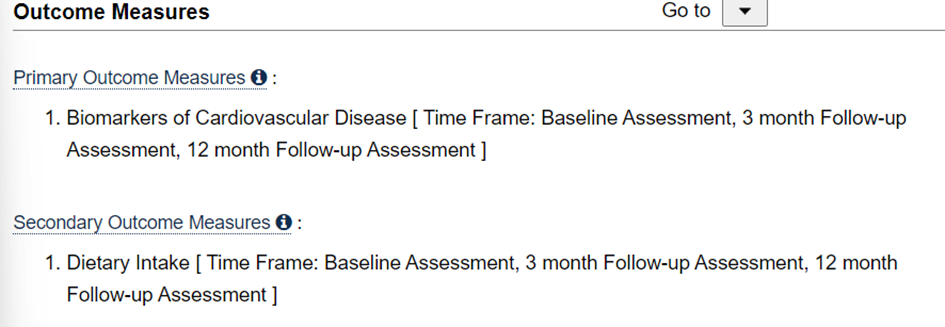
Coronary events do not appear here, but it seems to be mainly about blood values (risk factors), dietary markers (dietary intake) and social support / cognitive function (is that quality of life, then?). If you then look at the final outcomes that would be measured, they are only risk factors for cardiovascular disease (blood values) and dietary intake.
- 12-month follow-up
You also see in the registration that there would be a measurement moment (follow-up) after 12 months. I do not see this anywhere in the final study. To study outcomes such as heart attacks you need at least 12 months (preferably much more). It therefore looks as if this was not included because the 12-month follow-up was not carried out. I find it very strange that nothing is said about this. In addition, the inconsistencies in the registration leave room for the researchers to deviate from the registration, and that should not be the intention. Strange story.
The result
In the end, after 3 months (compared with the start) the group ate on average less energy, protein, (saturated) fat, cholesterol and salt, and more carbohydrates, fibre, vitamins (A and C), iron and calcium. The participants lost weight, and their blood pressure also went down. In addition, both the psychosocial aspects (such as quality of life, cognitive function and mood) and almost all blood values improved. A nice study with a nice result.
The biggest problem with this study, however, is that there is no control group. All participants took part in the intervention (a lifestyle programme), so you have no idea whether this intervention is better or worse than other interventions (such as a ketogenic diet). There was, after all, no comparison. So you cannot conclude that this intervention worked so well because it included a low-fat, (mainly) plant-based diet. For all we know, a lifestyle intervention with a high-fat diet that is rich in animal products works just as well, for example if the same energy deficit is maintained.
Conclusion
Then we come to the claim of the book. As I said before: the people were not put on a diet without animal products. In addition, not all patients improved (to the same extent). The claim states that the effect is due to the exclusion of fats, but you cannot claim that on the basis of this study either. To be able to conclude that, we would need evidence that the same intervention, but with a high(er)-fat diet, would not have the same effect.
I also do not understand what is used as the basis for saying that the size of the effect was related to the amount of weight loss. Even though I do believe that weight loss was an important factor in the improvements in blood values and other results.
The participants in this study were offered a complete lifestyle package. Besides guidance towards a different diet, they had to exercise intensively and consciously relax for an hour every day. Great, if you ask me. Health is about so much more than just nutrition, after all. But how do you then know which part of the result is due to nutrition? Let alone to specific parts of that diet. Especially given that there was no comparison group in this study.
The authors themselves conclude that part of the health benefits was due to the energy deficit and thus to weight loss. In addition, the degree of lifestyle change was linked to the degree of weight loss:
"It is probable that at least some of the favorable changes observed could have resulted from the weight loss, and the greater increases in lifestyle changes were associated with greater reductions in weight."
This is what everyone intuitively knows too: the better you stick to the rules of a lifestyle programme, the better the results. This shows that health and behaviour are strongly intertwined. Adherence is key. So, do you want to become healthier? Choose something that is easiest for you to keep up, because that is the most important thing (and make sure you have good guidance if you cannot manage on your own). And look beyond nutrition alone.
I think you can conclude that a complete lifestyle package, aimed at exercise, stress management and a diet full of unprocessed food, can show nice results after 3 months. All claims based on this study that go beyond that are purely speculative. In addition, you can wonder whether the results were maintained, given that the 12-month follow-up results have suddenly disappeared...
Now we come to the last study: an experimental study that would show that a low-fat diet works wonders for diabetes patients.
Claim: 80% of participating diabetes patients were able to stop their medication within 4 weeks after they had stopped eating fat. The less fat in the diet, the better the results.
In this study too, the participants (with diabetes but not dependent on insulin medication) take part in a lifestyle intervention: the Pritikin programme. This is an intensive lifestyle programme that takes place in a luxury wellness retreat, where people follow both a diet and an exercise programme.
69 participants stayed there for 26 days, going for a walk every day and doing a cardio workout. In addition, everyone followed the same diet: a diet with a lot of complex carbohydrates, a lot of fibre and little fat. Total energy intake consisted of 10% fat, 13% protein and the rest carbohydrates, of which 90% complex carbohydrates (whole grains, rice, bread, beans, vegetables and fruit). The study says nothing about total energy intake.
And surprise: a glass of skimmed milk daily and a portion of fish weekly. I also read on the Pritikin website that both dairy and chicken or game are recommended, but always in the low-fat variety.
Fascinating that this is never mentioned in the book.
The outcomes of the study were body weight, blood fats (such as cholesterol and triglycerides), blood glucose and medication intake. After 2 to 3 years (follow-up), participants were contacted by phone to see whether they had continued the lifestyle changes and whether their medication intake had changed. Their GP was also asked to send blood values. Of the original group, 52 participants responded to this follow-up.
Results
After the 26 days in the wellness retreat, the group lost on average 5 kg of body weight (from 78.4 to 73.7 kg). At the follow-up measurement (after 2-3 years), the participants had kept the lost weight off and weighed 71.8 kg on average.
But the most important outcome of the study: the whole group lowered their fasting blood glucose from an average of 179.5 mg/dl to 133.5 mg/dl. In addition, 37 of the 49 people stopped their medication after 26 days. According to my calculations this is 75%, so the 80% mentioned in the book is slightly exaggerated.
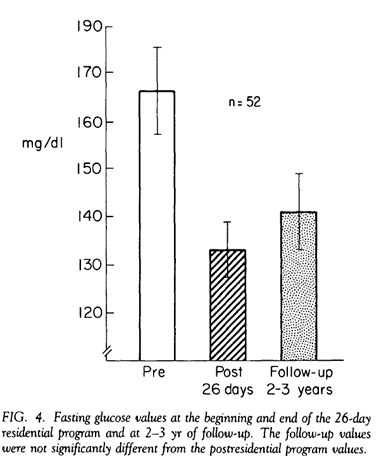
Two to three years later, fasting blood glucose was on average not significantly different. The number of people using medication again had doubled. (Remarkably, the text and the graphs give different numbers for the number of medication users after 26 days. That is very strange.)
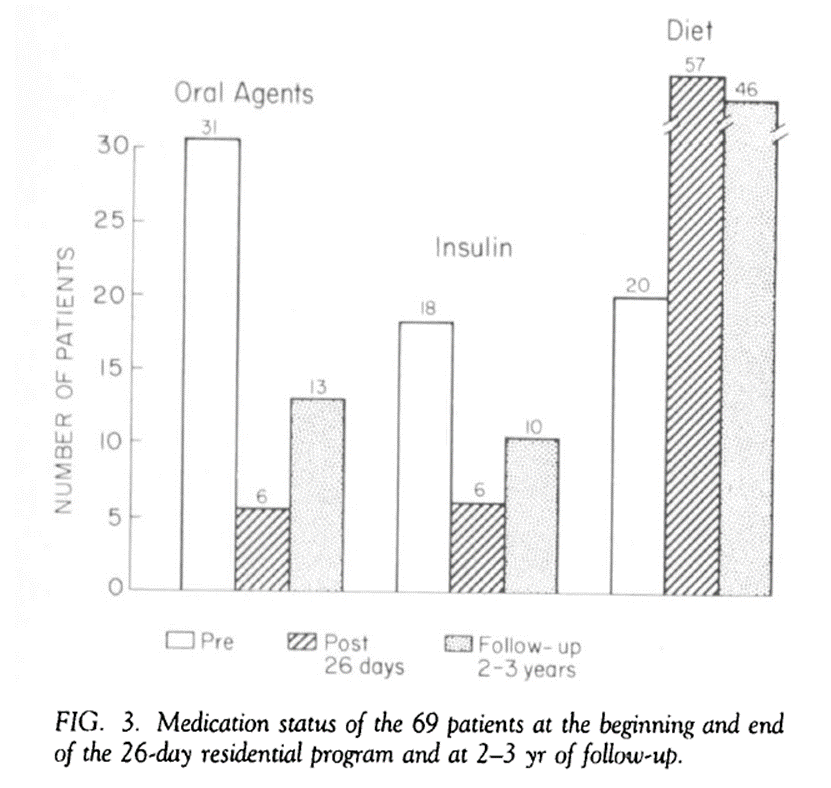
During the follow-up phone call, 57% of the participants said they no longer followed the diet completely -- most of them started eating more meat. The questionnaire showed that these people had to start taking medication again and that they also ate more fat again than the people who stayed off medication (they stayed under 10% fat of energy intake).
Medication
We need to talk about the decrease in medication use, because something does not sit right: the fasting blood glucose.
Almost 80% of the participants were allowed to stop their medication. But when we look at the blood glucose values, we see something strange: those values are not that low at all.
An average fasting blood glucose of 133.5 mg/dL means you are still classified as diabetic. The World Health Organization states the following about this:
“The expected values for normal fasting blood glucose concentration are between 70 mg/dL (3.9 mmol/L) and 100 mg/dL (5.6 mmol/L). When fasting blood glucose is between 100 to 125 mg/dL (5.6 to 6.9 mmol/L) changes in lifestyle and monitoring glycemia are recommended. If fasting blood glucose is 126 mg/dL (7 mmol/L) or higher on two separate tests, diabetes is diagnosed.”
In other words: diabetes is diagnosed at a fasting blood glucose of 126 mg/dL or higher. A large part of the participants never got below that threshold.
If you also read that a considerable part of the participants had started taking medication again after 2 to 3 years, and that 15 of the 69 participants had to go to hospital because of diabetes-related complaints, I wonder whether stopping medication was a good choice for everyone.
Diabetes and medication is not my specialism, but I do not see anywhere that clinics or guidelines recommend stopping medication before your fasting blood glucose is below 130 mg/dL. Certainly not without medical supervision.
Conclusion
Here again this is an experimental study without a comparison with a control group. We see that the lifestyle intervention with both exercise and the Pritikin diet (high in carbohydrates/fibre, low in fat, mainly plant-based but with animal products) works to lower fasting blood glucose. However, the authors did not look at insulin (sensitivity). We do not know whether this intervention works better or worse than another intervention (for example without exercise or with a different diet), since there was no comparison.
I do not really know what to think of the high number of people who stopped their medication while they still had a fasting blood glucose that was too high. This is perhaps nice for the results of the study, but I doubt whether it was the best choice for the patients, certainly if no guidance was offered after the programme.
It looks as if the people who had to start taking medication again after 2 to 3 years were the ones who followed the Pritikin diet less well. This would have led to a higher fat intake and thus worse outcomes. However, this is entirely based on a phone call in which a questionnaire about the diet was taken. I wonder how accurately fat intake was measured with that. No validation was carried out either, for example by comparing this method with another method to check whether it actually measures what you want to know.
Still, this study too seems to suggest that a diet focused on unprocessed products, mainly plant-based, in combination with sufficient exercise leads to improved health and diabetes status.
Final conclusion
Let me start with a small summary and then mention a few important points.
In part 1, the book argues that fat inhibits the action of insulin. This is supported with studies that show that manipulating fat concentrations in the blood has an effect on glucose uptake in cells. This mainly suggests that overweight has an effect on glucose uptake, because that can cause chronic elevations of fat in the blood. In addition, the book shows that when people stop eating carbohydrates altogether, carbohydrates are taken up less well afterwards when they reintroduce them. Finally, the insulin response to protein is mentioned as a disadvantage. Protein-rich products, such as meat, would cause a larger insulin response than carbohydrate-rich products, such as fruit. This is not true, however. That only held if you look at the ratio of carbohydrates to insulin. Moreover, it is never made clear why a higher insulin peak would necessarily be bad.
In part 2, the focus is mainly on lipotoxicity: animal fats would cause inflammation and thereby cell death, for example in the pancreas and liver, both important organs for glucose metabolism. The book focuses mainly on saturated fat. It bases this on in vitro studies (in cells), in which saturated fat causes cell death, but mainly in the presence of glucose. These studies could therefore also be used as an argument to eat only meat. In addition, reviews are cited that would show that saturated fat is associated with various diseases, such as non-alcoholic fatty liver and insulin resistance. It is assumed here that this is because of inflammation (and thus lipotoxicity). However, there are quite a few snags with these reviews, including a study that finds no difference in inflammation between children with and without fatty liver.
The book then does the same with case-control studies that investigate the difference between vegans and omnivores. Here vegans seem to do better in terms of health (such as blood values), and this would then be due to the difference in saturated fat intake (and thus lipotoxicity). However, these studies never looked specifically at lipotoxicity. One study even showed practically no difference in saturated fat intake, and another study no difference in inflammation. Moreover, they only looked at nutrients, so we have no idea what the omnivores actually ate and whether that was healthy at all.
If we then look at the strongest evidence that Janneke cites to prove that fat and protein are the problem in diabetes, we see two experimental studies with a fairly similar design. Both studies followed people who underwent an intensive lifestyle intervention. Both interventions involved more than just adjusting fat and protein intake; the whole diet was changed. In addition, both diets contained (lean) animal products daily. So, all other caveats aside, the claim that the positive effects were the result of excluding animal products is nonsense.
This makes up a large part of the evidence in the book for the claim: “Type 2 diabetes is not a sugar disease, but a fat-protein disease.”
Has interesting literature been cited that shows that a mainly plant-based diet can possibly help with diabetes?
Yes, certainly, in the context of weight loss and a lifestyle intervention.
Is the claim of the book scientifically well supported?
No, certainly not.
Protein
First, nowhere is strong evidence cited that (animal) protein is a cause of diabetes. Given that this book is called De Eiwitleugen, I had expected more about that.
The book claims that in both experimental studies no animal products were eaten, but this turns out to be incorrect. The participants even ate or drank animal products daily. Moreover, one of the experimental studies advised participants to get 15% of their total energy intake from protein. This is not necessarily a low-protein diet.
Fat
It is true that the diets in the experimental studies recommend lean animal products. This is in line with the theory of the book, that mainly animal fats (saturated fat) would be the cause of insulin resistance and thus diabetes.
Now I do not find the first argument, that fat inhibits the uptake of glucose, very strong. Nowhere is evidence cited that shows that the inhibited glucose uptake from a balanced, complete meal within a healthy diet is harmful. It seems to be mainly a problem with a chronically elevated energy intake (and thus overweight). All experimental studies that showed positive effects also led to weight loss in the participants.
The second argument, lipotoxicity, is mainly shown in cells. However, no strong scientific evidence has been provided that a healthy omnivore diet (for example following the Schijf van Vijf) leads to an increased chance of diabetes.
The aim
“Countless people try (in vain) to keep their blood sugar levels and insulin levels stable by using animal products and leaving out fruit, without there being scientific evidence for these theories.” (translated from Dutch)
The strongest evidence that the book cites, namely two experimental studies, is not suitable for supporting the claim of the book. The book tries to prove that animal products and saturated fat are the culprits in diabetes. But in the studies the intervention consisted of a whole lifestyle intervention in which animal products were included. Yes, there was a low intake of saturated fat, but besides this low intake, so many more things happened in the studies. As a result, you cannot establish to what extent the effect was determined by that reduced intake of saturated fat.
In addition, the intervention was not compared with a control group or a group with a higher saturated fat intake. So you cannot say that this intervention was better than other methods. All you can conclude is whether the intervention worked or not.
The experimental studies also had a different aim than the book. They therefore ask two different questions:
The book: “Is a vegan diet (low in fat and protein) the best diet for the prevention and treatment of type 2 diabetes?”
The studies: “Is a lifestyle intervention (nutrition, exercise, relaxation), with a focus on unprocessed plant-based products in combination with lean animal products, an effective method for the treatment of type 2 diabetes?”
This difference means that you cannot use the studies 1-on-1 to support the claims of the book.
All things considered, despite a good attempt, the book offers no strong scientific support for the claim that diabetes is actually a fat-protein disease.
EXTRA: Insulin resistance/diabetes definition
Finally, I want to say something about insulin resistance and diabetes itself. I notice that very many different outcomes are used when it comes to these subjects: fasting blood glucose, insulin, HOMA-IR, glucose uptake, etc. I am not a diabetes expert, but it is hard to compare studies if they do not all measure the same thing.
According to scientist Prof. Roy Taylor, who has been researching diabetes for 40 years and showed with his 2016 study that diabetes can be treated mainly through weight loss, fat accumulation is the most important cause of diabetes. In his 2016 study, “Very Low-Calorie Diet and 6 Months of Weight Stability in Type 2 Diabetes: Pathophysiological Changes in Responders and Nonresponders,” he showed that no vegan or ketogenic diet is needed to reverse diabetes.
The diet in his study consisted of about 43% carbohydrates, 35% (animal) protein and 19.5% fat and was very low in energy (600-700 kcal for 8 weeks). This led to significant weight loss and the reversal of diabetes. The participants managed to keep their weight off, so the diabetes stayed away. Good guidance was needed for this, though.
Incidentally, this study used the gold standard (as far as I know) for measuring glucose uptake and insulin sensitivity: the glucose clamp technique. In this, people are put on a drip, so that it can be measured exactly how much glucose is taken up by the cells and how much insulin is produced.
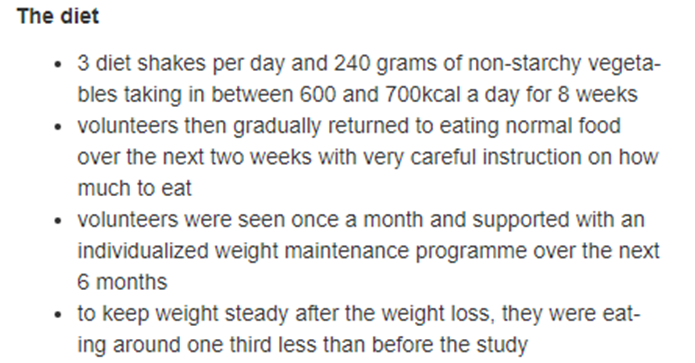
According to him, blood values such as glucose and insulin in the blood, fasting or in response to food, are not the cause of diabetes, but a symptom. The cause is a poorly functioning pancreas and insulin resistance, caused by an accumulation of fat in organs. This makes you less sensitive to insulin, you can produce less of it, and glucose accumulates in the blood. This leads to type 2 diabetes.
Everyone possibly has a different 'set point' at which fat accumulation causes this effect, but for everyone the treatment is the same: lose weight. This is also confirmed by both experimental studies discussed in this book.
What did you think? Let me know in the form of a comment or an email: [email protected]
Have you come across a claim on the internet or social media and are you curious about an assessment of its support? Let me know and I will dive into it!
Do you want to support me and my nutrition science adventure? Share my articles or the podcast on your socials!
Everything you read on this website is my opinion based on knowledge and experience. There is a good chance that I sometimes overlook something, or that something could be better. I would love to hear it!
We do science together.
Follow me or connect with me on:
Instagram: https://www.instagram.com/coenfirmation_bias/
Linkedin: https://www.linkedin.com/in/coen-dros/