Coen Dros
Nutrition scientist and nerd, interested in the support behind other people's convictions about nutrition and health
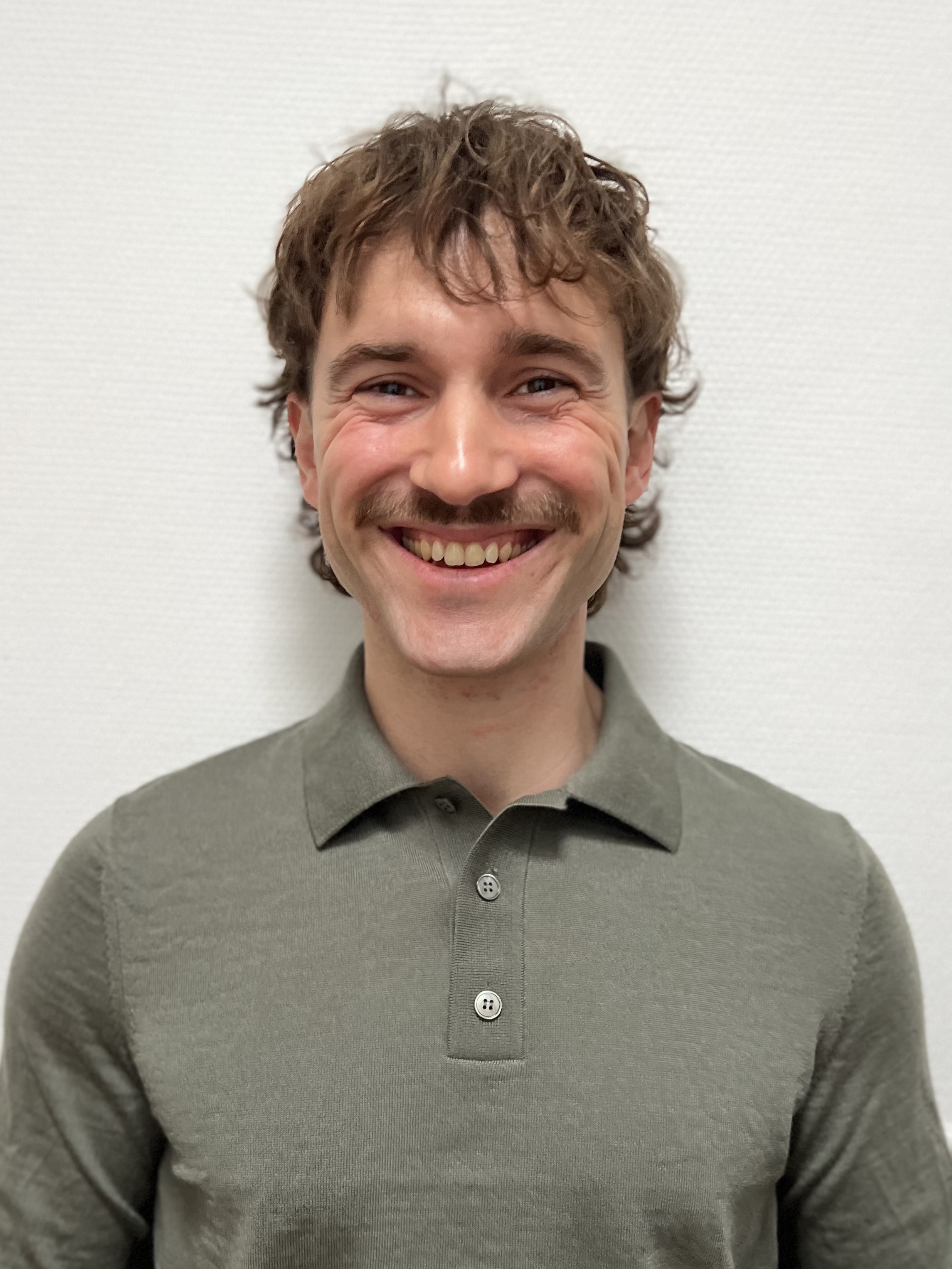
I love data, science and research. Most of all I like to dive into the contradictions between other people's convictions. When it comes to nutrition and health, I can't stop talking.
That is why I started Coenfirmationbias.nl. Not yet another website with its own truth about nutrition and health, but a place where I share my hobby: diving into the support behind other people's convictions. In my view, the breeding ground for all the contradictions is that we mainly look for information that confirms our own convictions. In other words: confirmation bias.
Confirmation bias: "The tendency to pay attention to and attach value to information that confirms your own ideas, convictions or hypotheses. In general, people tend to search for, interpret and remember information in such a way that it supports their personal ideas, while less attention is paid to information that contradicts these ideas. Confirmation bias has the strongest influence when there is a desired outcome, with emotionally charged issues or with a deeply rooted belief." (translated from Dutch)
The result is that people stop being critical of information that fits their own convictions. And that they are overly critical of information that refutes them. Our convictions about nutrition are strong. We often identify with the eating pattern we follow: low-carb, ketogenic, vegetarian, vegan, pure natural, carnivore or whatever way of eating. That comes close to an ideology, a deeply rooted belief that goes together with other convictions about life.
At 21 the search for myself began. An important part of it was my own health and that of the planet. The starting point was the question: what is healthy? To answer it I went online, and there I ended up in the wild west of health. An absurd number of different convictions. Especially when it comes to nutrition and health, everyone spews their own conviction onto the internet as truth. That makes it seem as if there is no consensus on anything. It is exactly those contradictions, and how convinced people are of themselves, that I find fascinating.
That is why I stopped my studies in Integrale Veiligheid (Integral Safety) and started the programme Voeding en Diëtetiek (Nutrition and Dietetics), looking for answers to questions like: what is healthy, and where do all those contradictions come from? During that programme I was gripped by science. I delved into research skills and a love of data and research developed. After that I did the master's in Gezondheidswetenschappen (Health Sciences), to go deeper into nutrition science.
During those years I learned that a lot about nutrition and health is already clear. We know how the body works, down to the molecular level. But there is also a lot we do not know yet: there are thousands of substances in our food and for many of them we do not know what they do. I learned that what people eat depends strongly on their behaviour, and that their life convictions have a big influence on how they interpret and judge information about nutrition and health. I learned that this influence is the underlying problem behind the contradictions. I learned where it is best to get your information, and that the internet is not always the best place for that. I learned that looking critically at yourself and your own convictions is the most important thing when judging information. And I learned that it is not about what the truth is, but about how you arrive at the truth.
Diving into the support behind other people's convictions has become my hobby over the past years, and I would like to share that hobby with you all. Most of all I like to look at convictions that go against mine. It doesn't get more interesting or more instructive than that.